
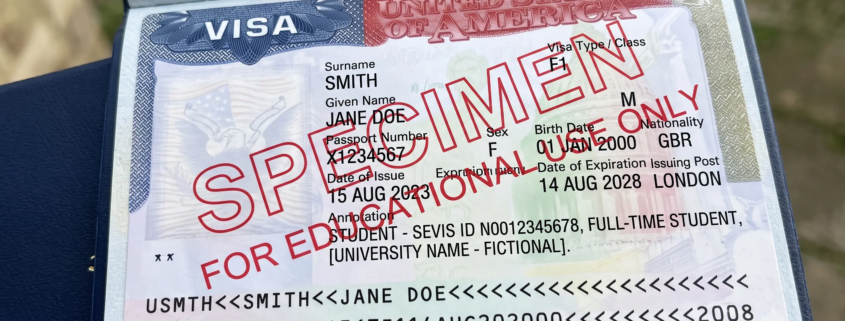
D/S Is Ending for F-1 and J-1 Students: What the New DHS Visa Extension Rule Means for You
On July 17, 2026, the U.S. Department of Homeland Security (DHS) published the new F1 visa extension rule, a final rule that eliminates “Duration of Status” (D/S) for F-1 international students and J-1 exchange visitors, a policy that has defined student visa stays for nearly 50 years. Starting September 15, 2026, staying enrolled in school will no longer automatically keep your immigration status valid.
Instead, every F-1 and J-1 holder will receive a fixed admission period, and anyone who needs more time will have to file for an extension of stay with U.S. Citizenship and Immigration Services (USCIS) before that date arrives. This guide breaks down what D/S actually was, exactly what changes on September 15, and the concrete steps every international student and family should take right now.
What Was “Duration of Status” (D/S), and Why Did It Matter?
Since 1978, F-1 and J-1 visa holders have been admitted under D/S rather than a fixed expiration date. Instead of stamping a specific departure deadline on your passport or Form I-94, immigration officers simply wrote “D/S,” meaning you could remain in the U.S. for as long as you stayed enrolled in a full course of study and maintained your status. Your school’s Designated School Official (DSO) tracked your enrollment through SEVIS, and as long as that record stayed active, you didn’t need to file anything with USCIS, even if you changed majors, took a gap semester, or your program ran longer than originally planned.
What Changes on September 15, 2026
The new rule replaces D/S with a fixed admission period. Going forward, your Form I-94 will show an actual expiration date, either the end date of your academic program or four years from your admission date, whichever comes first. If you need to remain in the U.S. past that date, you must file Form I-539, Application to Extend/Change Nonimmigrant Status, with USCIS and receive approval before your authorized stay runs out. In short, your legal status is no longer tied to whether you’re still in school. It’s tied to a calendar date, and it’s now your responsibility to track it and act before it expires.
5 Key Changes Under the New F1 Visa Extension Rule
- A hard cap on your stay: What used to be open-ended enrollment-based status now maxes out at your program length or four years, whichever is shorter. Students in five-year bachelor’s programs, combined BS/MD tracks, or other extended degrees may hit this cap before they graduate.
- A brand-new extension process: Instead of your DSO simply updating SEVIS, you’ll now need to personally file Form I-539 with USCIS, pay the associated fee, provide biometrics if required, and wait for a decision.
- A shorter post-completion grace period: The grace period after finishing your degree or OPT drops from 60 days to 30 days, leaving much less time to line up a job, change status, or prepare to leave the country.
- New risk tied to international travel: If you leave the U.S. and re-enter after September 15, 2026, the new fixed-period rules apply to you immediately, even for a short trip home over break or to attend a conference.
- Authority shifting from your school to USCIS: Your DSO’s role in confirming your status is significantly reduced, while USCIS now controls extension approvals. Processing delays or paperwork issues become risks that students and families must manage directly, since a backlog at USCIS could cause your status to lapse through no fault of your own.
If you’re in a bachelor’s program that runs longer than four years, or you’re enrolled in a PhD, MD, or other extended program, filing an EOS application partway through your studies will likely be unavoidable. Unlike the old system, where following your school’s guidance was enough, students now need to actively track their own deadlines, since status can expire without you even realizing it.
Key Dates and the Transition Period
- July 17, 2026: DHS publishes the final rule in the Federal Register.
- September 15, 2026: The rule takes effect, though it remains subject to congressional review, so the date could still shift.
- Students arriving after September 15, 2026: Receive a fixed I-94 expiration date immediately upon entry.
- Students already in the U.S. under D/S when the rule takes effect: Can remain through the end of their current program or up to four years, whichever comes first, then must file for an extension.
How This Affects Different Types of Programs
- Bachelor’s degrees (4 years or less): Minimal impact if you graduate on schedule, but adding a double major, language program, or a leave of absence could push you past the deadline and require an EOS filing.
- Master’s degrees (around 2 years): Usually well within the four-year cap, though thesis delays or an extended internship could change that.
- PhD, medical school, and other long-format programs: These frequently exceed four years, making a mid-program EOS filing close to mandatory.
- ESL and language programs: Already subject to enrollment limits, but how status is now tracked has changed, so check with your school for updated guidance.
- OPT and STEM OPT participants: The shrinking grace period, from 60 to 30 days, means you’ll need to start your job search or status-change planning earlier than before.
What Students and Families Should Actually Prepare For
- Added cost and paperwork: Filing Form I-539 comes with a government fee and, in some cases, a biometrics appointment, an expense and administrative step that didn’t exist before. Always confirm current fees and requirements directly through USCIS when you file.
- Risk of a status gap during processing: Because USCIS adjudication takes time, filing too close to your expiration date could mean your case is still pending after your authorized stay ends.
- More responsibility, more stress: Since maintaining status is now on you rather than your school, expect to spend more time tracking deadlines and paperwork.
- Closer coordination with your DSO: Even with a reduced role, your DSO remains your best resource for confirming your program end date and SEVIS record, so regular check-ins matter more than ever.
- A stronger case for legal advice: If your program runs close to or beyond four years, or you’re also considering a change of status, it’s worth having an immigration attorney review your specific timeline.
Your Action Plan: What to Check Right Now
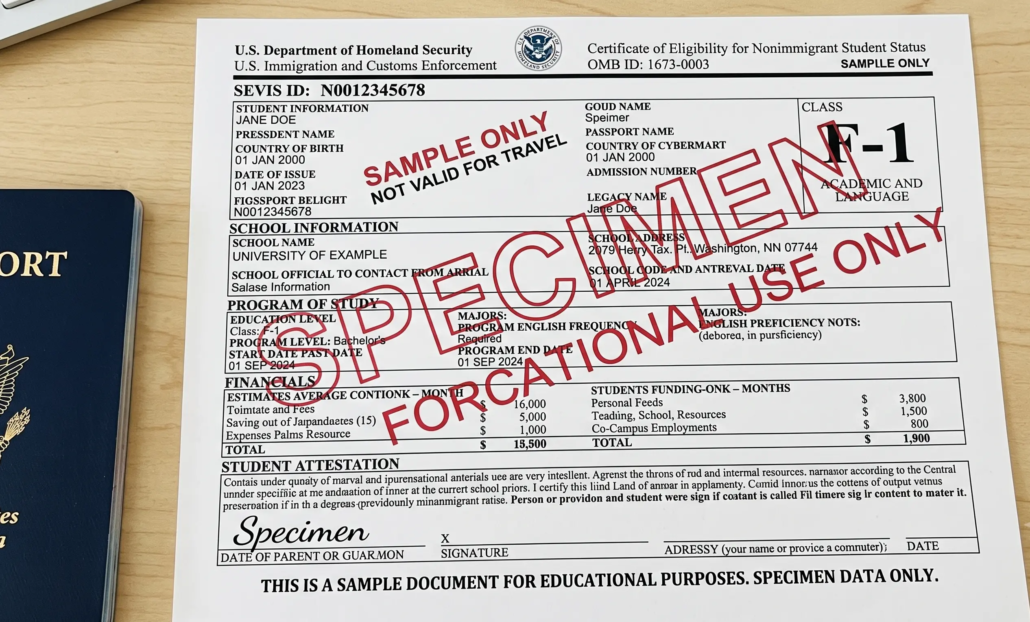
- Confirm the program end date on your I-20 or DS-2019, and work with your DSO to calculate whether your program will exceed four years.
- If you’re traveling internationally around September 15, 2026, check whether your re-entry date falls before or after the effective date, since it changes which rules apply to you.
- Because the grace period is shrinking to 30 days, start your job search or status-change planning at least a month earlier than you would have previously.
- Make sure your passport, I-94, and SEVIS records are current and error-free well before you might need them.
- If an EOS filing looks likely in your future, start researching the required documents and process now, through your school and an immigration professional.
Frequently Asked Questions
Q: I’m currently in the U.S. under D/S. Do I need to do anything immediately?
A: Your status doesn’t change the moment the new F1 visa extension rule takes effect. However, once your program ends or you hit the four-year cap, whichever comes first, you’ll need to file for an extension. Confirm your program’s expected end date now so you’re not caught off guard later.
Q: Is it risky to go home for winter or summer break?
A: Traveling itself isn’t the problem. But if you re-enter the U.S. after September 15, 2026, the new fixed-period rules apply from that point forward, so it’s worth planning your travel dates around the effective date.
Q: What happens if my program, like a PhD, naturally runs longer than four years?
A: You’ll still only be granted an initial stay of up to four years. For any time beyond that, you’ll need to file Form I-539 with USCIS for an extension of stay.
Q: What does the Form I-539 extension process actually look like?
A: Typically, you’ll start by confirming your program end date and SEVIS record with your DSO, then submit your application and fee to USCIS, provide biometrics if requested, and wait for approval. Because requirements can change, double-check the current process on USCIS’s official website when you’re ready to file.
Q: Does this rule apply to J-1 exchange visitors too?
A: Yes. J-1 visitors are subject to the same basic framework as F-1 students: a fixed stay tied to your program length or four years, whichever is shorter, followed by a formal extension process if you need more time.
Q: If I transfer schools or change programs, does my authorized stay get recalculated?
A: Possibly. Transferring schools or switching programs often triggers a new I-20 and an updated SEVIS record, which can affect how your authorized stay is calculated. If you’re considering a transfer or program change, talk to your DSO and an immigration attorney beforehand.
This rule change goes beyond academics. It hands international students and their families a new responsibility: actively managing your own legal status in the U.S. Checking your program timeline, extension deadlines, and travel plans against these new rules has never been more important.
Disclaimer: This article is for general informational purposes only and does not constitute legal advice. For guidance on your specific immigration situation, please consult a qualified immigration attorney.